



Chrysanthemum Carinatum Mix Seeds produce a striking variety of Annual Chrysanthemums, also known as Tricolor Daisies or Painted Daisies. The mix includes vibrant, eye-catching flowers in a range of colors, typically featuring bold rings of contrasting shades such as white, yellow, red, orange, and pink. These flowers are great for adding a splash of color to gardens, borders, and flower beds and also make excellent cut flowers.
Characteristics:
- Flowers: The flowers are daisy-like, with bright, multicolored petals that often display concentric rings of contrasting colors. They have a dark center, surrounded by rings of red, yellow, white, or orange, giving them a painted or “bullseye” appearance.
- Height: Chrysanthemum carinatum plants typically grow between 12–24 inches (30–60 cm), making them versatile for garden borders, beds, and containers.
- Growth Habit: The plants are bushy and upright, with long, sturdy stems that support the large, colorful blooms.
Sowing and Growing Instructions:
- Light: These chrysanthemums thrive in full sun, which will help them produce the brightest, most vibrant flowers.
- Soil: They prefer well-draining soil that is rich in organic matter. Loamy soil is ideal, but they are quite adaptable and can tolerate a range of soil types.
- Sowing:
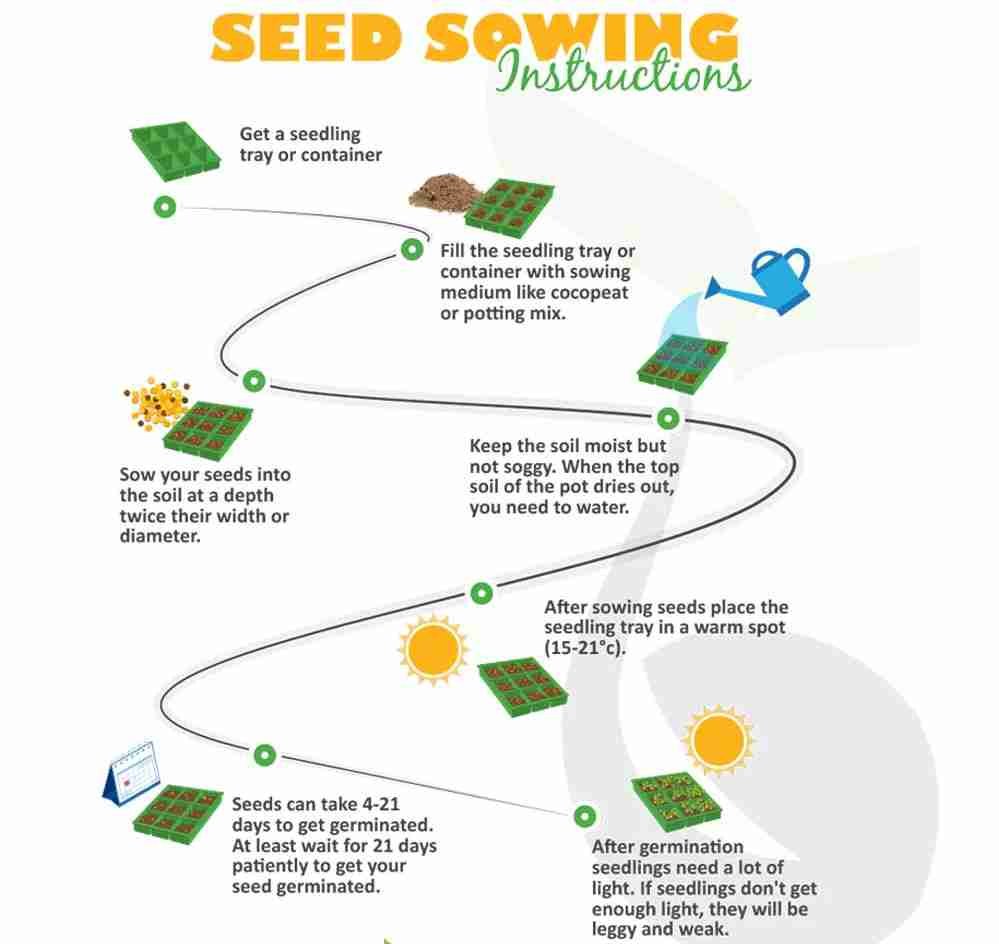
- Indoors: Start seeds indoors 6–8 weeks before the last frost. Sow seeds on the surface of seed-starting mix and lightly press them into the soil. Keep the soil moist, and germination should occur within 10–14 days.
- Outdoors: After the last frost, you can sow seeds directly into the garden. Plant them 1/8 inch deep, and space the seedlings about 12 inches apart once they have sprouted.
- Watering: Keep the soil evenly moist, especially during germination. Once established, these plants are relatively drought-tolerant but will perform best with regular watering, allowing the soil to dry slightly between waterings.
- Temperature: Chrysanthemum carinatum prefers cooler weather and will thrive in temperatures between 60–70°F (15–21°C). They can tolerate light frosts, making them suitable for spring and fall planting.
Blooming and Care:
- Flowering: The plants will begin to flower from mid-summer through fall, producing an abundance of colorful, long-lasting blooms.
- Deadheading: Regularly remove spent flowers to encourage continued blooming and to keep the plants looking tidy.
- Support: Taller varieties may benefit from staking or light support, especially in windy areas.
- Fertilizing: Apply a balanced, water-soluble fertilizer every 4–6 weeks during the growing season to encourage healthy growth and abundant blooms.
Benefits:
- Vibrant Colors: The multicolored blooms make Chrysanthemum carinatum a showstopper in any garden, with their bold, contrasting rings of color.
- Attracts Pollinators: These flowers are excellent for attracting beneficial pollinators such as bees and butterflies, contributing to a healthy garden ecosystem.
- Cut Flowers: With their long stems and striking colors, these chrysanthemums make excellent cut flowers for arrangements.
- Easy to Grow: These plants are relatively low-maintenance and are well-suited to beginner gardeners.
Uses:
- Garden Borders: Their bright, daisy-like flowers make them perfect for garden borders where they add vibrant color.
- Flower Beds: Chrysanthemum carinatum is ideal for mixed flower beds and can be combined with other annuals to create a colorful display.
- Containers: These plants grow well in containers, making them a good choice for patios and balconies.
- Cut Flower Gardens: Their sturdy stems and vibrant blooms make them popular for cutting and using in floral arrangements.
Care Tips:
- Deadheading: Regularly deadhead to keep the plants producing flowers throughout the season.
- Pest Control: Chrysanthemums can be susceptible to aphids and spider mites. Inspect the plants regularly and treat any infestations with insecticidal soap or neem oil if necessary.
- Heat Sensitivity: These flowers prefer cooler temperatures, so in very hot climates, they may need some shade during the hottest part of the day to prevent wilting.
Care guides & related plants
- Browse more winter flower seeds


Reviews
There are no reviews yet.