In this guide (5 sections)
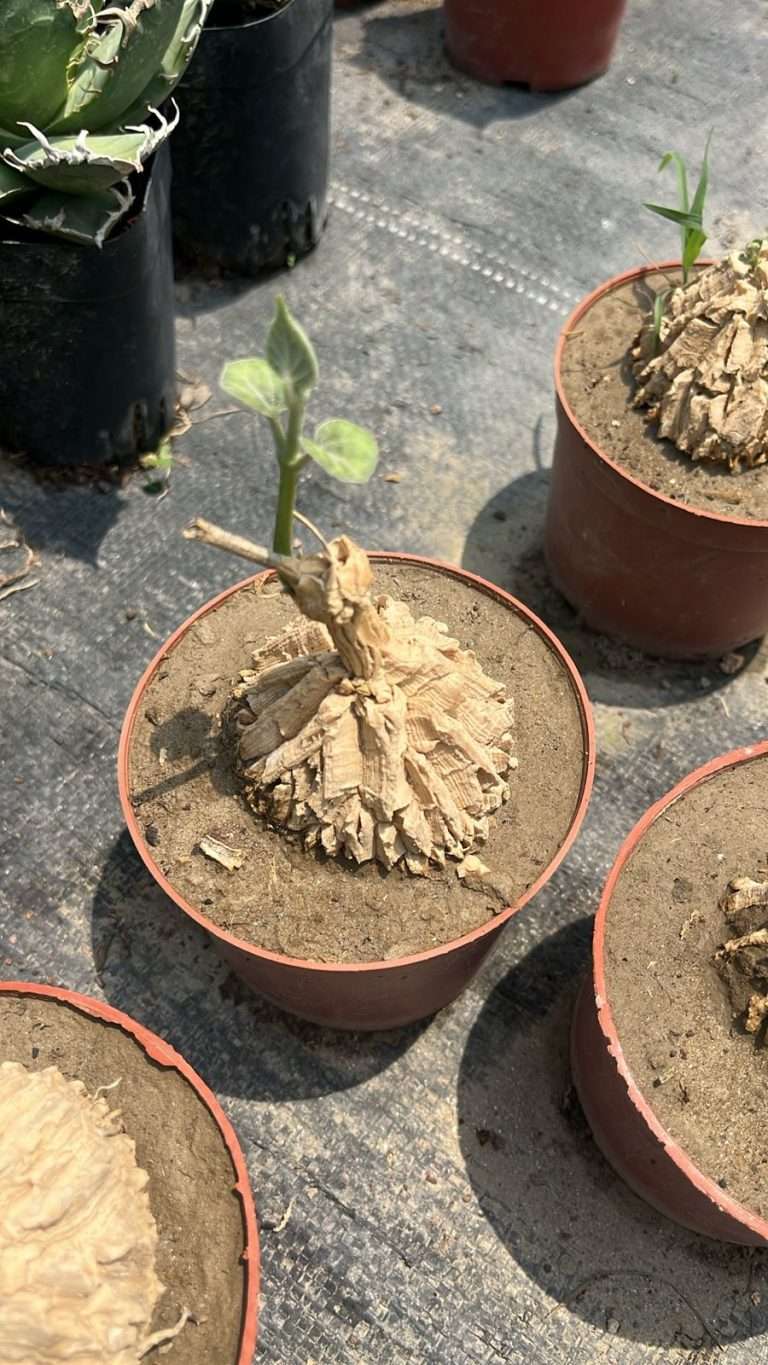
A caudiciform plant is any plant that stores water and food in a swollen stem base or root, called a caudex. The word comes from the Latin caudex, meaning trunk. That fat, sculptural base is why collectors prize these plants: each one grows into its own shape, and an old specimen can look like a miniature tree that has spent a century in the desert.
Caudiciforms are not a single plant family. The swollen base evolved again and again, in unrelated plants, as a way to survive long dry seasons. That is why a Pachypodium from Madagascar, a Stephania from Thailand and a Baobab from Africa all end up shaped like bottles.
Caudex, caudiciform or pachycaul?
- Caudex: the swollen storage organ itself. It can sit above the soil, at the soil line or underground.
- Caudiciform: a plant that has a caudex. Collectors use “caudex plant” to mean the same thing.
- Pachycaul: a plant with a thick, swollen trunk rather than a rounded base, such as baobabs and many Pachypodium. Most growers group these with caudiciforms.
Popular types of caudiciform plants
These are the groups you will meet most often, with examples from our caudiciform collection.
Pachypodium
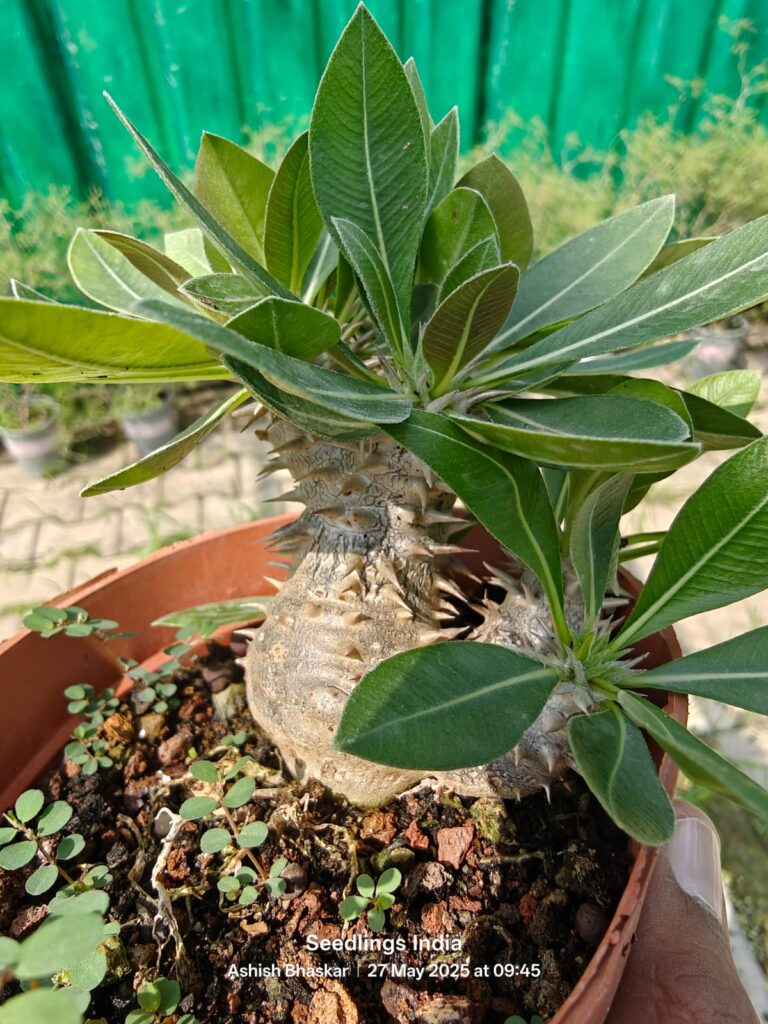
Spiny, swollen stems and bright flowers, mostly from Madagascar and southern Africa. Pachypodium Densiflorum and Pachypodium Saundersii are good first species. Pachypodium Brevicaule, the flat “potato” Pachypodium, is a collector’s challenge.
Operculicarya
Tiny leaves, zigzag branches and a gnarled base make Operculicarya Pachypus a natural bonsai subject. A root cutting is an affordable way to start one. Read our Operculicarya Pachypus care guide.
Stephania
Round, potato-like tubers that send up climbing stems with shield-shaped leaves. Try Stephania Erecta or Stephania Suberosa.
Fockea and its relatives
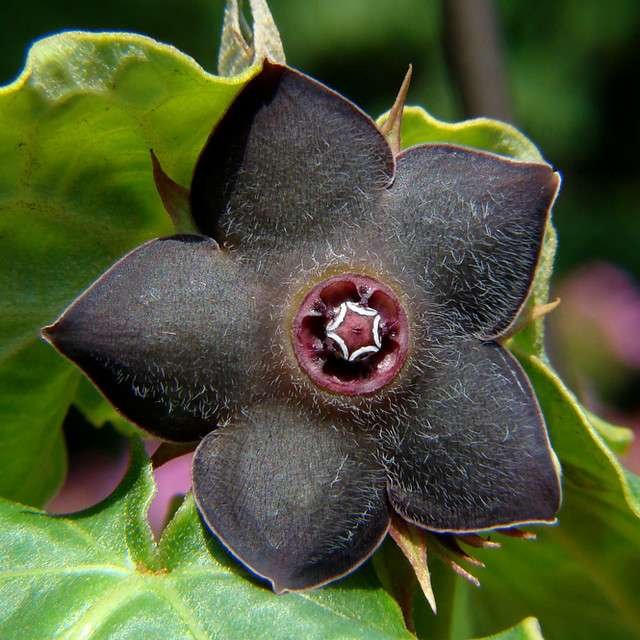
Fockea Edulis grows a large, pale tuber and twining stems, and is one of the easiest caudiciforms to keep. Its relatives include Petopentia Natalensis and Matelea Cyclophylla, whose round leaves look embossed. See our guides to Fockea Edulis and Matelea Cyclophylla.
Cyphostemma and wild grapes
Members of the grape family with heavy, bottle-shaped trunks, such as Cyphostemma Elephantopus and the Cambodian Wild Grape.
Bottle trees
Tree-like caudiciforms such as Baobab, Sterculia Colorata and Uncarina Grandidieri can be kept small in pots for years.
Jatropha and Phyllanthus
Jatropha Berlandieri forms a squat, rounded caudex with lacy leaves, and Phyllanthus Mirabilis from Thailand is a budget-friendly way into the group.
Cycads
Cycads are ancient seed plants, not succulents, but their thick trunks earn them a place in many caudex collections. The Sago Palm is hardy and widely grown; Dioon Edule and Zamia Portoricensis are for collectors.
How to care for caudiciforms in Indian conditions
Light
Most caudiciforms want bright light. Outdoors, give them morning sun and some shade during the hottest afternoons of May and June. Indoors, a south- or east-facing window is the minimum. Pale, stretched growth means the plant needs more light.
Soil and pots
A caudex rots if it sits wet, so drainage matters more than anything else. Use a gritty mix such as our Fortified Cactus and Succulent Planting Mix, or blend potting soil with plenty of coarse sand, perlite or pumice. Always use a pot with a drainage hole; terracotta dries faster than plastic.
Watering through the seasons
- Spring and summer (roughly March to June): most species are in active growth. Water deeply, then let the mix dry out completely before you water again.
- Monsoon: humidity keeps the soil wet for longer, so water less, keep plants under a roof and out of continuous rain, and give them good airflow. Our guide to succulents in the rains covers this in more detail.
- Winter: many caudiciforms drop their leaves and rest. Water only lightly, about once a month, until new leaves appear. See succulent care during dormancy.
A few species follow the opposite cycle. Pelargonium Appendiculatum, from South Africa’s winter-rainfall region, grows in the cool months and rests in summer, so water it while it is in leaf.
Temperature
Madagascan species such as Pachypodium dislike cold. In North Indian winters, bring them indoors or under cover when nights drop below about 10°C, and keep them dry while it is cold.
Feeding and repotting
Feed with a diluted, balanced fertiliser once a month, during active growth only. Repot every two to three years at the start of the growing season, and wait a few days before watering so any damaged roots can heal.
Shaping the caudex
Many growers keep a young caudex partly buried so it fattens faster, then raise it a little above the soil line at each repotting to show it off. Raise it gradually: newly exposed tissue can scorch in strong sun.
Choosing your first caudiciform
If you are new to caudex plants, start with a forgiving species such as Fockea Edulis, Operculicarya Pachypus or the Sago Palm. Once you have watered one through a full year, move on to slower, rarer plants like Pachypodium Densiflorum or Cyphostemma Elephantopus.
Frequently asked questions
Are caudiciforms succulents?
Most are, in the sense that they store water to survive drought. Cycads are the main exception: they are grouped with caudex plants for their shape, not their biology.
Can caudiciforms grow indoors?
Yes, if they get enough light. A bright window suits many species, but most grow faster and keep a better shape with some direct sun.
Why is my caudex soft?
A soft, wrinkled caudex during the growing season usually means the plant is thirsty. A soft, dark or mushy caudex usually means rot from too much water: stop watering and check the roots straight away.
Why did my caudiciform lose all its leaves?
Leaf drop in winter is normal dormancy for many species. Keep the plant dry and bright, and it will leaf out again when temperatures rise.
How fast do caudiciforms grow?
Slowly. Many add only a little to their caudex each year, which is why large, old specimens cost more.
Ready to start a collection? Browse our full range of caudiciform plants, shipped across India.